Chemotherapeutic Agents
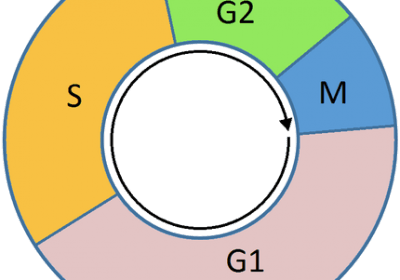
Cell Cycle2

This article reviews the basic principles of chemotherapy for the safe and effective use of various cytotoxic agents. We provide a detailed look at the mechanisms, drug classifications, and standardized regimens necessary for managing neoplastic diseases (cancer). Mastering these foundational concepts is critical for optimizing treatment outcomes and anticipating potential toxicities. Introduction: The long-term understanding of cancer growth is that […]

Read more
Transfusion Medicine

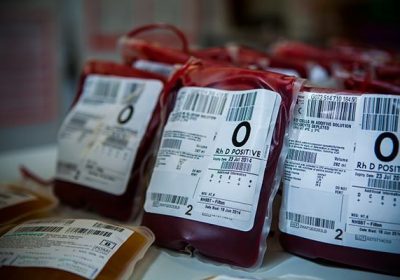
Blood Transfusion

Transfusion Medicine is a vital specialty focused on the transfusion of blood and its components. This field is incredibly broad, encompassing every aspect from blood donation and blood banking to advanced practices like therapeutic apheresis, stem cell collection, and cellular therapy. In the lab, blood banking ensures all donated blood and blood products are safe for use by performing essential […]

Read more

Spleen Disorders

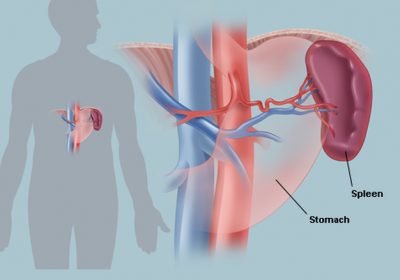
Spleen Disorders

Spleen disorders represent a diverse group of conditions that affect the structure and function of the spleen, an organ essential for blood filtration, immune defence, and red blood cell turnover. These include splenomegaly (enlarged spleen), hypersplenism, hyposplenism, and splenic rupture, which may arise from infections, hematological diseases, liver pathology, or malignancy. Their clinical importance lies in their potential to cause […]

Read more

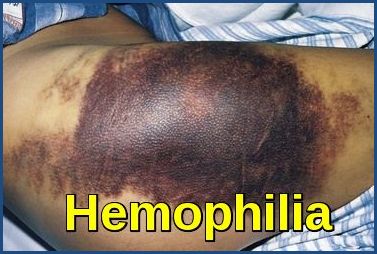
Hemophilia

Hemophilia

Hemophilia is an inherited bleeding disorder in which the blood fails to clot normally due to a deficiency or dysfunction of specific clotting factors—proteins essential for coagulation. This results in prolonged or spontaneous bleeding, particularly into joints and muscles. The term hemophilia is the standard international spelling (also rendered as haemophilia in the UK and hémophilie, hemofilie, hemofilia, hämophilie, or […]

Read more

Hemophagocytosis

Hemophagocytosis

Introduction: Hemophagocytic Lymphohistiocytosis (HLH), also known as hemophagocytosis, is a rare but life-threatening hyperinflammatory syndrome caused by uncontrolled activation of the immune system. It results from defects in natural killer (NK) cell and cytotoxic T-cell regulation, leading to excessive cytokine release and accumulation of activated macrophages and lymphocytes in multiple organs. These overactive immune cells can attack the body’s own […]

Read more

Hemochromatosis

Hemochromatosis - Iron logo Fe symbol representing haemochromatosis and iron overload

Hereditary Hemochromatosis (HH) is a genetic disorder that causes the body to absorb too much iron (Fe) from the diet. The excess iron is stored in the body’s tissues and organs, particularly the skin, heart, liver, pancreas, and joints. Because humans cannot increase iron excretion, excess iron can overload and eventually damage tissues and organs. For this reason, hereditary hemochromatosis is […]

Read more

Principles of Cancer Therapy

Cancer Therapy

The principles of cancer therapy (which can be curative or palliative) are fundamentally based on the tumor’s characteristics and the patient’s ability to tolerate the treatment. Modern anticancer therapy often includes a combination of modalities like surgery, chemotherapy, immunotherapy, radiation therapy, and/or targeted therapy. Cancer treatment is one of the greatest healthcare concerns globally. Once cancer is confirmed, further diagnostics […]

Read more

Thrombotic Disorders

Thrombotic disorders and the risk of blood clot formation

Hematologists are increasingly involved in the diagnosis and management of patients with venous and arterial thrombotic disorders. There have been major advances in recent years in our understanding of the central role of hypercoagulability in the pathogenesis of thrombosis. This has led to new approaches to the diagnosis of patients at risk for thrombosis and the development of more rational […]

Read more

Stem Cell Transplantation

Stem Cells Harvested From BM

Stem cell transplantation, also known as hematopoietic stem cell transplantation (HSCT), is a crucial therapeutic approach in hematology and oncology. It involves the infusion of healthy stem cells into a patient to replace damaged or malfunctioning cells. Stem cells are a class of undifferentiated cells that are able to differentiate into specialised cell types. Commonly, stem cells come from two […]

Read more

Qualitative Platelet Disorders

Clinical photo of child with epistaxis (nosebleed) a common symptom of Von Willebrand Disease

Qualitative Platelet Disorders are a critical category of bleeding disorders where the platelets themselves don’t work correctly, resulting in poor clotting function. This happens even when the total platelet count and standard coagulation tests are normal. These disorders cause clinical problems like abnormal bruising or excessive bleeding, and while they are most commonly acquired, some are inherited conditions. Diagnosis often […]

Read more
1 2 3 4 5 6 10