Thrombocytopenia

Close-up image of a leg showing a petechial rash, a common bleeding symptom caused by thrombocytopenia or low platelet count.

Thrombocytopenia, also known as low platelet count, is a common hematological disorder in which the number of circulating platelets falls below 150,000/mm³. Because platelets are essential for normal blood clotting and hemostasis, reduced levels can lead to easy bruising, prolonged bleeding, and delayed wound healing. This article provides an expert overview by a consultant hematologist, explaining the causes, symptoms, investigations, […]

Read more
Multiple Myeloma

Skull X-ray showing multiple lytic bone lesions characteristic of multiple myeloma.

First described in 1848, multiple myeloma (MM)—also called plasma cell myeloma—is a malignant plasma-cell disorder marked by clonal proliferation within the bone marrow and excess production of monoclonal immunoglobulin (M protein). This abnormal expansion disrupts normal hematopoiesis, contributes to bone disease, anemia, renal impairment, and immunodeficiency, and represents one of the most common hematologic malignancies in adults. There are several […]

Read more

Myelodysplastic Syndrome

Myelodysplasia

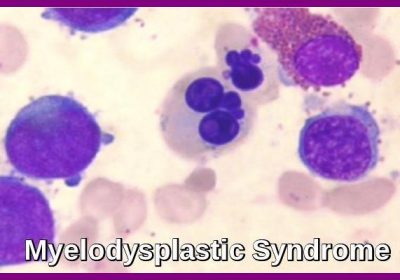
Myelodysplastic Syndrome (MDS) is a clonal bone marrow failure disorder characterized by ineffective hematopoiesis, persistent cytopenias, and a variable risk of progression to acute myeloid leukemia (AML). This group of hematologic neoplasms arises when hematopoietic stem cells acquire genetic or epigenetic mutations that impair normal blood cell maturation across one or more lineages—erythroid, granulocytic, or megakaryocytic. The resulting dysplasia leads […]

Read more

Checkpoint Inhibitors

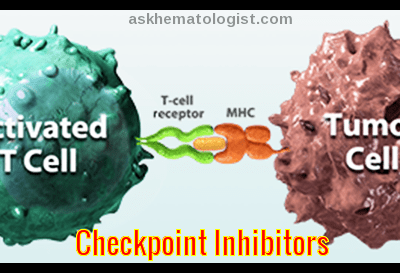
Activated T cell binding to a tumor cell illustrating how checkpoint inhibitors enhance immune recognition in cancer treatment.

A key function of the immune system is its ability to distinguish healthy self-cells from harmful “foreign” cells, ensuring precise immune surveillance and protection. Cancer cells can evade this process by exploiting immune-checkpoint pathways, allowing tumors to grow unchecked. Checkpoint inhibitors work by blocking these pathways and restoring the immune system’s ability to recognize and attack cancer. Immune system uses “checkpoints” […]

Read more

Malignant Infiltration of Bone Marrow

mri-abnormal-bm-signal

  Malignant infiltration of the bone marrow is a significant clinical finding that occurs when solid tumors or hematologic malignancies spread to the marrow space, disrupting normal hematopoiesis. In adults, this process most frequently results from metastatic carcinomas—particularly those originating in the prostate, breast, and lung—although any cancer capable of hematogenous dissemination, including tumors of the colon and thyroid, may […]

Read more

Cold Agglutinin Disease

cold-agglutinin-disease

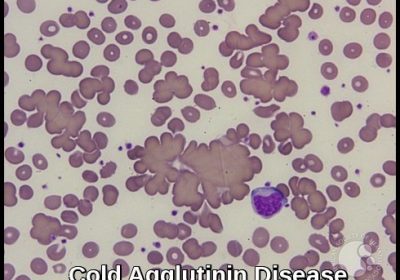
Cold Agglutinin Disease (CAD) is a rare autoimmune hemolytic anemia (AIHA) caused by the presence of cold-reactive autoantibodies (cold agglutinins) that target red blood cells at temperatures below 30°C (86°F). These autoantibodies lead to red blood cell agglutination, complement activation, and subsequent immune-mediated hemolysis, especially in peripheral body areas exposed to cold. CAD accounts for approximately 15% of all autoimmune […]

Read more

Cryoglobulinemia

Lower-leg vasculitis and purpuric skin changes caused by cryoglobulinemia.

Cryoglobulins are immunoglobulins—either monoclonal or mixed—that precipitate at low temperatures and resolubilize on warming, forming the basis of cryoglobulinemia. Although trace amounts may occur in some healthy individuals, clinically relevant cryoglobulinemia is typically associated with abnormal immunoglobulin production seen in autoimmune diseases, lymphoproliferative disorders, and chronic infections such as hepatitis C. When precipitated, cryoglobulins can increase blood viscosity and obstruct […]

Read more

Waldenström’s Macroglobulinemia

waldenstroms-macroglobulinemia-bm

Waldenström’s macroglobulinemia (WM), a subtype of lymphoplasmacytic lymphoma, is an indolent B-cell malignancy characterized by clonal proliferation of small lymphocytes with plasmacytoid differentiation in the bone marrow and excessive production of monoclonal IgM. This rare hematologic neoplasm behaves more like a lymphomatous disorder than a plasma-cell dyscrasia and is classified among the malignant monoclonal gammopathies. The marked overproduction of IgM […]

Read more

Non-Hodgkin Lymphoma

Cervical lymphadenopathy in a patient with non-Hodgkin lymphoma showing marked neck swelling

Non-Hodgkin lymphoma (NHL) represents a broad and biologically diverse group of lymphoid malignancies arising from the clonal proliferation of B-cells, T-cells, or, less commonly, natural killer (NK) cells. The majority of non-Hodgkin lymphomas are of B-cell origin, while a smaller subset arises from T-cell or natural killer (NK) cell lineages. These cancers originate within the lymphatic system and may involve […]

Read more

Hodgkin’s Disease

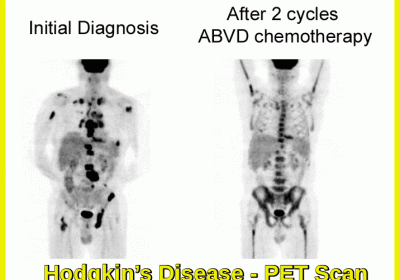
PET scan in Hodgkin’s lymphoma showing extensive FDG-avid disease at diagnosis and marked metabolic response after two cycles of ABVD chemotherapy

Hodgkin’s Disease (Hodgkin’s Lymphoma) is a malignant neoplasm that usually arises in a lymph node. It results from the clonal transformation of cells of B-cell origin, giving rise to pathognomonic binucleated Reed-Sternberg cells (RS cells). The nature of the malignant RS cell remains uncertain. Clonally integrated Epstein-Barr virus is present in the RS cells in about 40% of cases. The cause […]

Read more
1 3 4 5 6 7 10