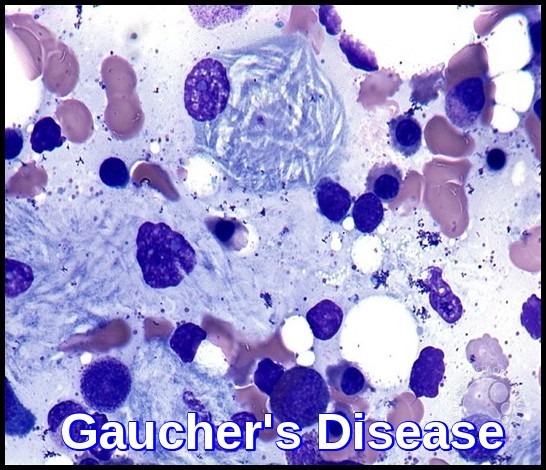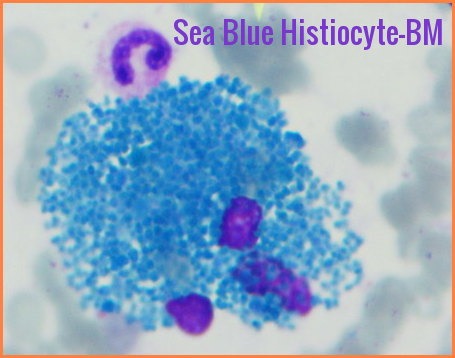
Sea blue histiocyte in bone marrow demonstrating characteristic blue cytoplasmic granules (Sea Blue Histiocytes).
Sea Blue Histiocytes are enlarged, lipid-laden macrophages found in the bone marrow that characteristically exhibit a deep sea-blue cytoplasmic staining on Romanowsky preparations. These distinctive cells arise when histiocytes accumulate phospholipids or other lipids that resist normal degradation pathways, giving them their granular blue appearance under light microscopy.
Although Sea Blue Histiocyte Syndrome is a rare autosomal dominant condition associated with neurological impairment and splenomegaly, sea blue histiocytes are far more commonly identified as a reactive or secondary phenomenon. They appear in several clinical settings marked by accelerated intramedullary cell turnover or lipid accumulation, including lipid storage disorders such as Niemann–Pick disease, myelodysplastic syndromes (MDS), chronic myeloid leukemia, lymphomas, β-thalassemia major, autoimmune neutropenia, immune thrombocytopenia, and prolonged total parenteral nutrition.
Among these associations, MDS is considered the most frequent underlying cause of sea blue histiocytes in adults—particularly in northern European populations—making them a useful cytological clue during bone marrow evaluation.

Sea blue histiocyte in bone marrow with prominent blue cytoplasmic granules and surrounding fat vacuoles (Sea Blue Histiocytes).
The occasional sea-blue histiocyte may be a normal finding.
Sea Blue Histiocytosis (also known as inherited lipemic splenomegaly) is an extremely rare clinical syndrome associated with hypertriglyceridemia, splenomegaly, mild thrombocytopenia and bone marrow involvement. It is one of a group of related lipid disorders caused by certain changes in the APOE gene. Many reports using the term “syndrome” are actually reporting just a microscopic finding.

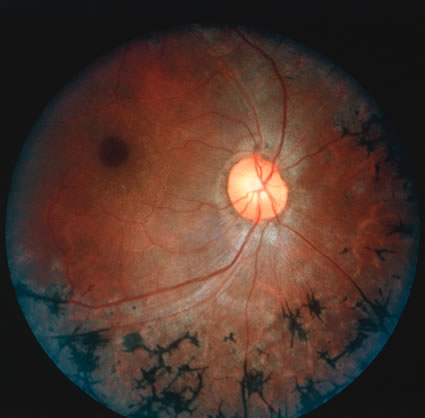
Clinical features of sea blue histiocytosis, highlighting very frequent findings such as hepatomegaly, splenomegaly, petechiae, and thrombocytopenia (Sea Blue Histiocytes).

Microscopic appearance of a sea blue histiocyte with prominent blue cytoplasmic granules in sea blue histiocytosis (Sea Blue Histiocytes).
There are currently no formal treatment guidelines. Management may involve the coordinated care of several different specialists including cardiologists, gastroenterologists, and hematologists. Patients with splenomegaly should be careful to avoid contact sports. Removal of the spleen (splenectomy) has been reported to make the condition worse.
Summary:
Sea Blue Histiocytes are enlarged, lipid-rich macrophages found in the bone marrow that stain a characteristic deep sea-blue on Romanowsky preparations. They represent a cytological hallmark of increased intramedullary cell turnover, abnormal lipid metabolism, or chronic marrow stress. Although they may occur in the rare inherited Sea Blue Histiocyte Syndrome, they are far more commonly associated with acquired conditions such as myelodysplastic syndromes (MDS), lipid storage disorders including Niemann–Pick disease, chronic myeloid leukemia, lymphomas, β-thalassemia major, immune thrombocytopenia, autoimmune neutropenia, and prolonged total parenteral nutrition. In clinical practice, MDS is the most frequent cause in adults, making sea blue histiocytes a valuable diagnostic clue during bone marrow evaluation. Their recognition helps guide further investigation into underlying hematologic or metabolic disease, particularly when accompanied by splenomegaly, cytopenias, or other signs of marrow dysfunction.
Questions and Answers:
What are sea blue histiocytes?
Sea blue histiocytes are enlarged, lipid-laden macrophages in the bone marrow that stain deep sea-blue on Romanowsky stains due to accumulated phospholipids and undigested cellular debris.
What causes sea blue histiocytes in the bone marrow?
They develop when abnormal lipid metabolism or increased intramedullary cell turnover leads to lipid accumulation within histiocytes, making them appear blue and granular on microscopy.
Are sea blue histiocytes specific for any disease?
No. They are a nonspecific but diagnostically useful finding associated with several conditions, including MDS, lipid storage diseases, chronic myeloid leukemia, lymphomas, β-thalassemia major, and immune-mediated cytopenias.
Is the presence of sea blue histiocytes associated with myelodysplastic syndromes?
Yes. MDS is the most common cause of sea blue histiocytes in adults, especially in northern European populations. Their presence often reflects increased marrow cell turnover.
What is Sea Blue Histiocyte Syndrome?
Sea Blue Histiocyte Syndrome is a rare autosomal dominant disorder characterised by sea blue histiocytes in multiple organs, neurological impairment, hepatosplenomegaly, and lipid abnormalities.
How are sea blue histiocytes identified on bone marrow examination?
They are recognised microscopically by their large size, abundant granular blue cytoplasm, and lipid-rich inclusions, typically highlighted on Wright–Giemsa or May–Grünwald–Giemsa stains.
Do sea blue histiocytes indicate a lipid storage disorder?
They can. Lipid storage diseases such as Niemann–Pick disease frequently feature sea blue histiocytes due to abnormal sphingolipid or phospholipid accumulation.
Can sea blue histiocytes appear in reactive or secondary conditions?
Yes. They commonly occur in reactive settings including immune thrombocytopenia, autoimmune neutropenia, total parenteral nutrition, and chronic hemolytic disorders.
Are sea blue histiocytes associated with splenomegaly?
They may be accompanied by splenomegaly, especially in Sea Blue Histiocyte Syndrome and disorders with increased lipid deposition or chronic marrow stress.
What is the clinical significance of finding sea blue histiocytes in bone marrow?
Their presence prompts evaluation for underlying marrow pathology, lipid metabolism disorders, hematologic malignancies, or increased cell turnover, helping direct further diagnostic investigations.
References:
Candoni A, Grimaz S, Doretto P, Fanin R, Falcomer F, Bembi B. Sea-blue histiocytosis secondary to Niemann–Pick disease type B: a case report. Ann Hematol. 2001;80(10):620–622. doi:10.1007/s002770100354. PMID: 11732877.
Bigorgne C, Le Tourneau A, Messing B, Rio B, Giraud V, Molina T, Audouin J, Diebold J. Sea-blue histiocyte syndrome secondary to total parenteral nutrition including fat-emulsion sources: a clinicopathologic study of seven cases. Br J Haematol. 1996;95(2):258–262.
Genetic and Rare Diseases (GARD) Information Center. Sea Blue Histiocytosis. Available at: https://rarediseases.info.nih.gov/diseases/8241/sea-blue-histiocytosis.
Pongas G. Sea-blue–colored histiocytes associated with bone marrow granulomas. Blood. 2013;122:475. Available at: http://www.bloodjournal.org/content/122/4/475?sso-checked=true.
Greyshock N, et al. APOE p.Leu167del–related lipid disorders. GeneReviews. 2014. Available at: https://www.ncbi.nlm.nih.gov/books/NBK208534/.
Keywords:
sea blue histiocytes, sea blue histiocytosis, sea blue histiocyte syndrome, lipid-laden histiocytes, bone marrow sea blue histiocytes, mds sea blue histiocytes, niemann pick disease sea blue histiocytes, lipid storage disorders histiocytes, sea blue histiocytes microscopic appearance, sea blue histiocyte bone marrow stain, sea blue histiocytes causes, sea blue histiocytes differential diagnosis, histiocytosis in bone marrow, sea blue macrophages, sea blue histiocytes total parenteral nutrition, sea blue histiocytes cml, sea blue histiocyte syndrome symptoms, bone marrow cytology sea blue cells, sea blue histiocytes splenomegaly, sea blue histiocytes hematology
Summary
Article NameSea Blue Histiocytes: Clinical Significance & Haematology Overview
DescriptionLearn what sea-blue histiocytes are, why they appear in bone marrow, and their association with conditions such as myelodysplastic syndromes, lipid storage disorders and other haematologic diseases — a concise, expert summary by Dr. Abdou.
Author
Dr Moustafa Abdou
Publisher Name
askhematologist.com
Publisher Logo
Request Online Consultation With Dr M Abdou
Fee: US$100
Secure payment via PayPal (credit and debit cards accepted)
Pay Now