Bispecific Antibodies in Blood Cancers
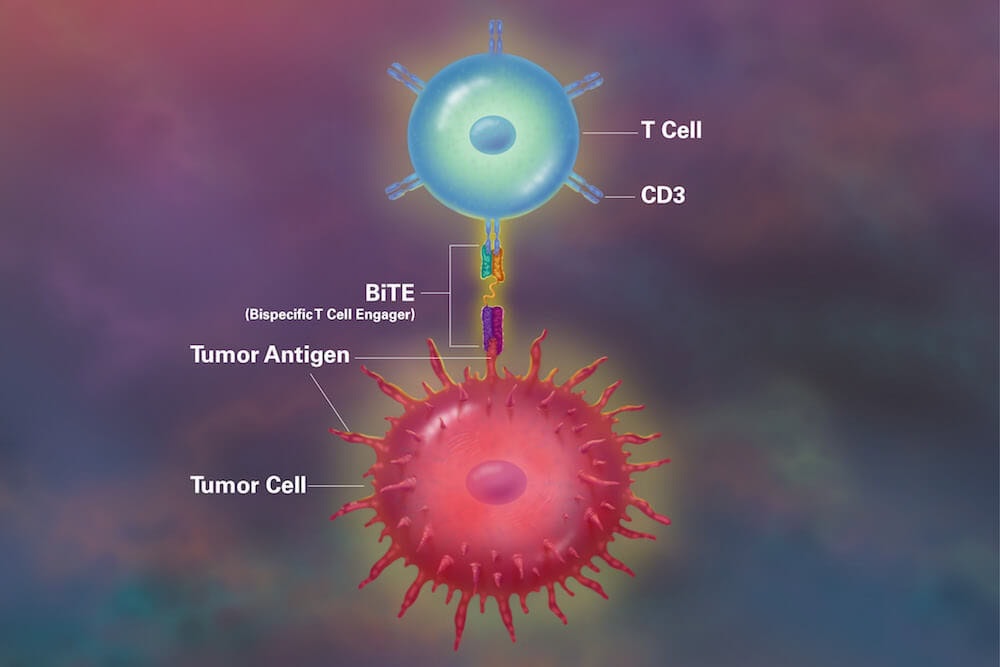
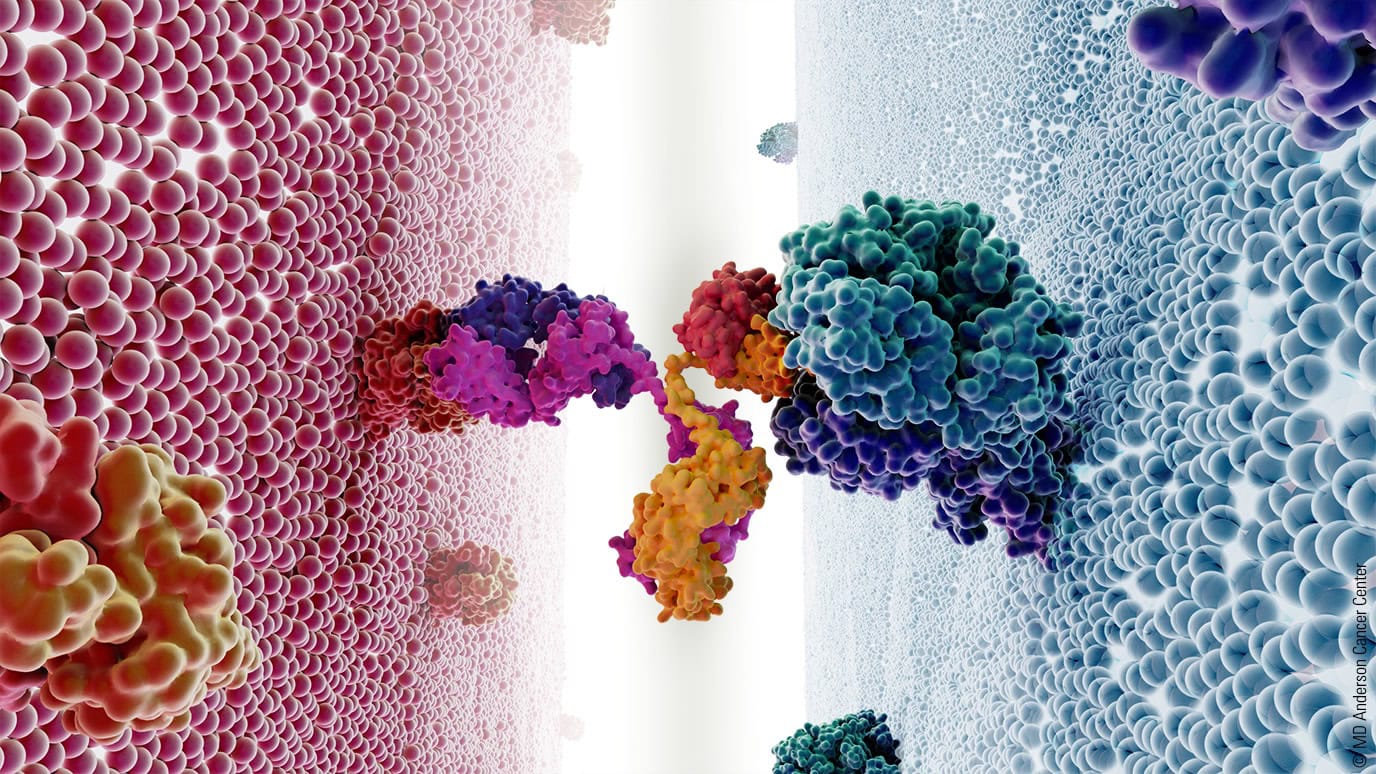
Mechanism of action of a bispecific T-cell engager (BiTE) connecting a T cell to a target tumor cell
What Are Bispecific Antibodies and How Do They Work in Hematologic Malignancies?
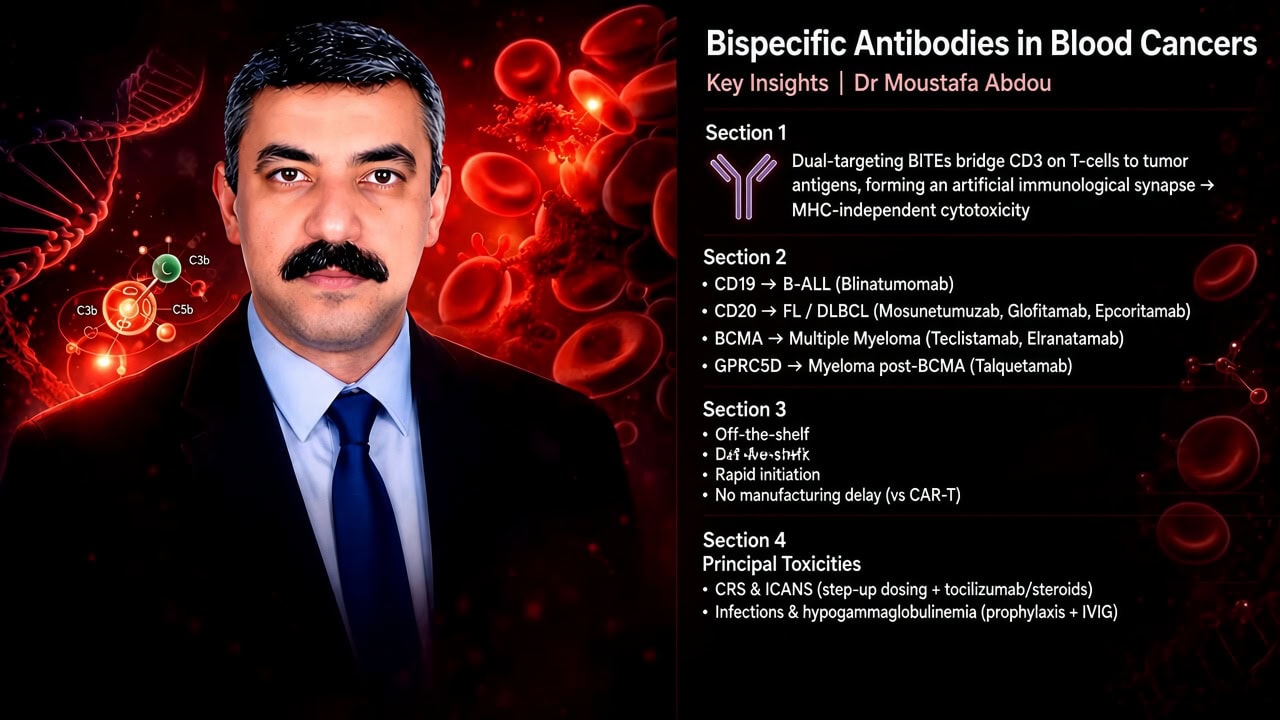
Bispecific antibodies (BsAbs) are engineered immunotherapeutic proteins designed with dual binding specificity. One arm targets a specific tumor-associated antigen on a malignant cell, while the other arm commonly binds the CD3 subunit of the T-cell receptor complex on host cytotoxic T lymphocytes.
By physically bridging these two cells, bispecific antibodies form an artificial immunological synapse. This interaction triggers potent T-cell activation and targeted cytotoxicity via the release of Perforin and Granzymes, operating independently of major histocompatibility complex (MHC) class I antigen presentation.
Most currently approved agents in hematologic oncology are T-cell–engaging bispecific antibodies.
Key therapeutic targets include:
- CD19: Targeted in relapsed/refractory B-cell acute lymphoblastic leukemia (B-ALL).
- CD20: Targeted in B-cell non-Hodgkin lymphomas, including follicular lymphoma and diffuse large B-cell lymphoma (DLBCL).
- BCMA (B-Cell Maturation Antigen): Targeted in relapsed/refractory multiple myeloma.
- GPRC5D (G protein-coupled receptor class C group 5 member D): A novel non-BCMA target in multiple myeloma.
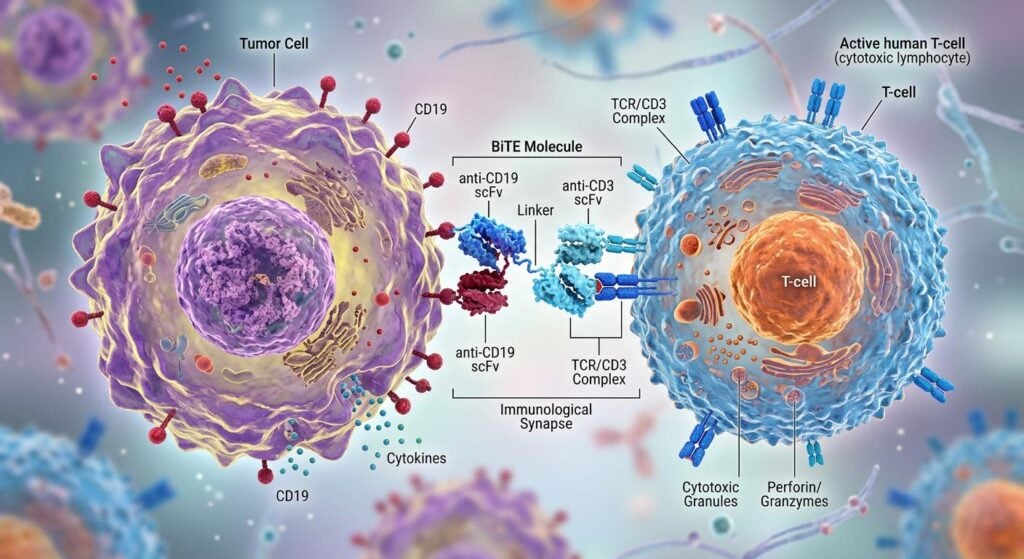
Mechanism of action of a BiTE molecule forming an immunological synapse between a cytotoxic T cell and a target cancer cell
Which Blood Cancers Can Bispecific Antibodies Treat?
B-Cell Acute Lymphoblastic Leukemia (B-ALL)
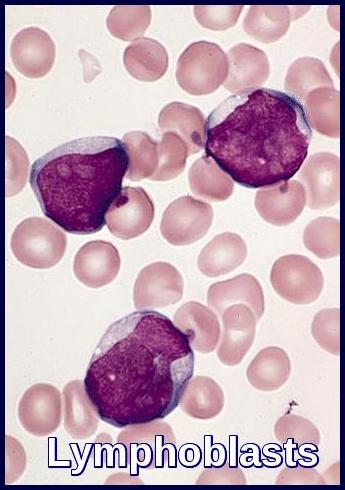
Lymphoblasts on peripheral blood film, a hallmark feature of Acute Lymphoblastic Leukemia (ALL)
Blinatumomab (CD19×CD3): A bispecific T-cell engager (BiTE) established in B-cell precursor ALL, including measurable residual disease (MRD)-positive disease, relapsed or refractory disease, and, increasingly, as part of consolidation therapy in newly diagnosed Philadelphia chromosome-negative B-cell precursor ALL. Its use has therefore expanded from MRD-directed and relapsed disease into earlier phases of treatment.
B-Cell Lymphomas
Several approved bispecific T-cell engagers target CD20 on malignant B cells and CD3 on cytotoxic T cells:
Mosunetuzumab: Indicated for patients with relapsed or refractory follicular lymphoma (FL) after two or more lines of systemic therapy.
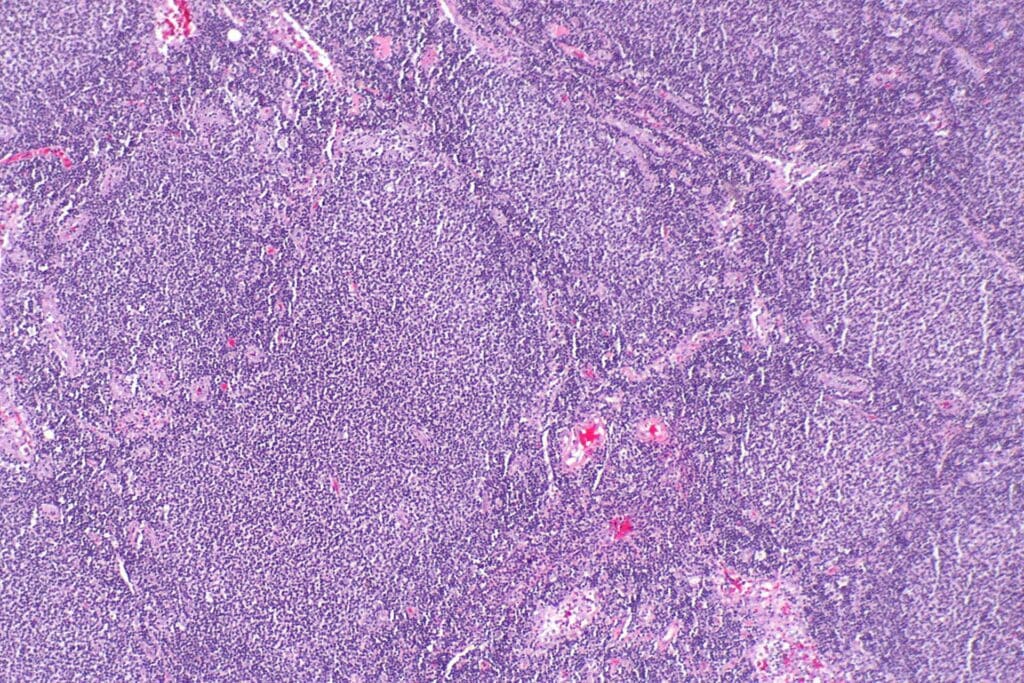
Histopathology of follicular lymphoma demonstrating closely packed, effaced lymph node architecture with neoplastic follicles
Glofitamab and Epcoritamab: Indicated for patients with relapsed or refractory diffuse large B-cell lymphoma (DLBCL) or large B-cell lymphoma (LBCL).
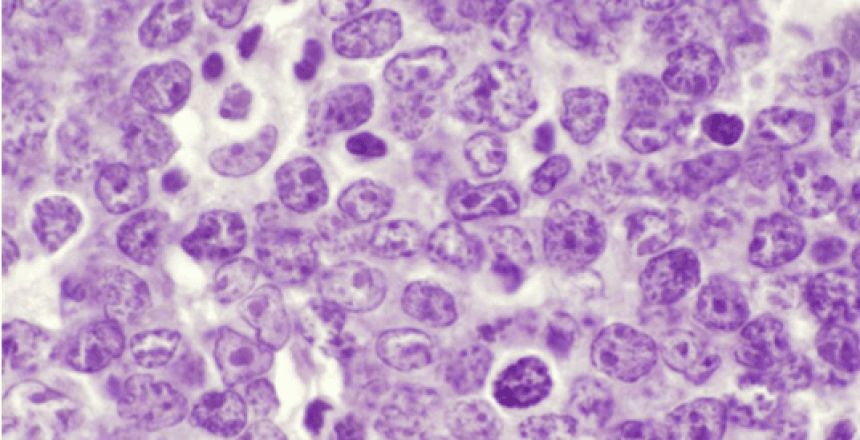
High-power histopathology of diffuse large B-cell lymphoma (DLBCL) showing sheets of large, atypical lymphoid cells
Odronextamab: Expands the CD20-directed treatment landscape across various B-cell non-Hodgkin lymphomas.
CD20×CD3 bispecific antibodies have demonstrated clinical activity even in heavily pretreated disease, including patients who have experienced disease progression after prior CAR T-cell therapy or autologous stem cell transplantation. These agents differ in their molecular formats, routes of administration (intravenous vs. subcutaneous), dosing schedules, and fixed-duration versus continuous treatment strategies. Specific indications, regulatory approvals, line of therapy, and required toxicity monitoring vary by jurisdiction.
Multiple Myeloma
In multiple myeloma, therapeutic bispecific antibodies focus on two main molecular targets:
BCMA×CD3 (Teclistamab and Elranatamab):
In the pivotal Phase 2 MagnetisMM-3 trial, Elranatamab demonstrated an overall response rate (ORR) of 61.0% with a complete response (CR) rate of 35.0% in triple-class exposed patients naive to BCMA-directed therapy.
In Phase 1/2 clinical evaluation of heavily pretreated, triple-class refractory multiple myeloma, Teclistamab achieved an overall response rate of 63.0% and a median progression-free survival (PFS) of 11.3 months.

Bone marrow aspirate demonstrating abnormal plasma cells typical of multiple myeloma
GPRC5D×CD3 (Talquetamab):
Targeting G PR-coupled receptor class C group 5 member D (GPRC5D) provides a crucial alternative strategy, particularly for disease that has relapsed following BCMA-directed therapies.
Because GPRC5D is expressed on keratinized epithelial tissues in addition to plasma cells, Talquetamab carries a unique toxicity profile including dysgeusia (taste disturbance), oral mucositis, skin rash, nail dystrophy, and palmar-plantar desquamation. This represents a classic clinical example of “on-target, off-tumor” adverse effects.
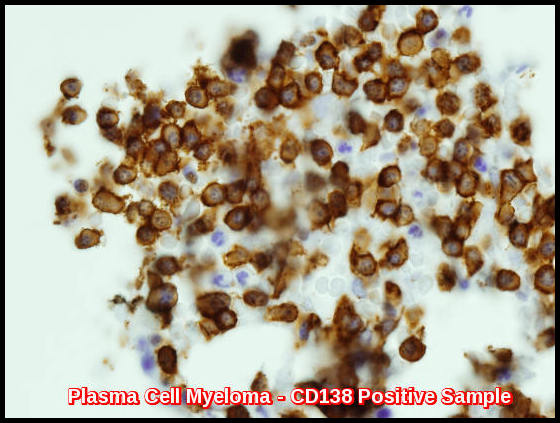
Immunohistochemical stain for CD138 demonstrating strong membranous positivity in plasma cells, characteristic of plasma cell myeloma
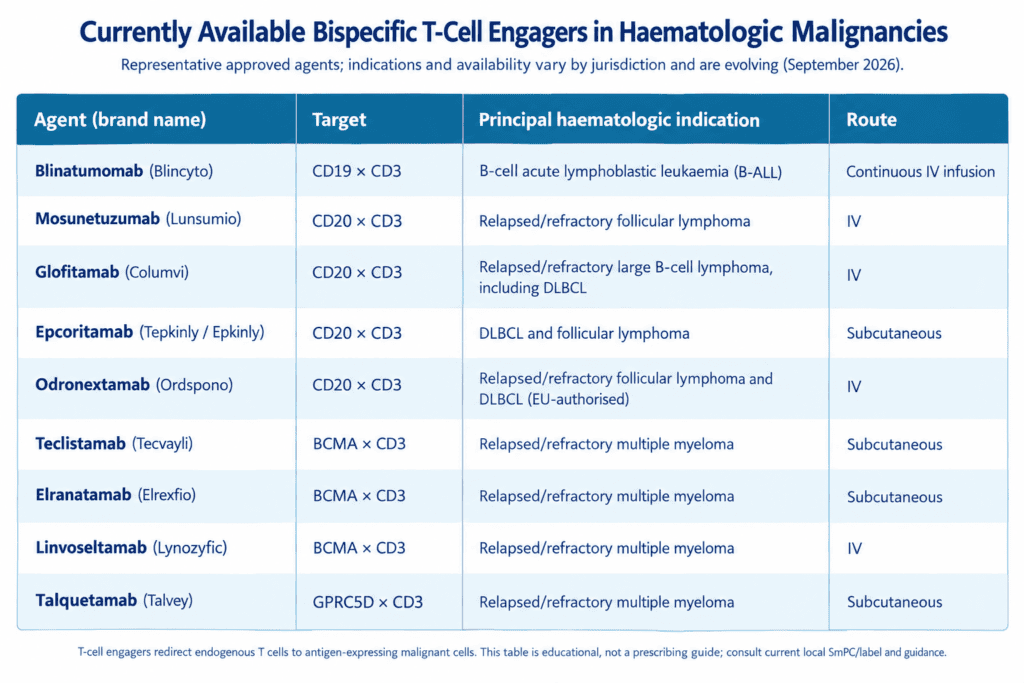
Currently available bispecific T-cell engagers in haematologic malignancies, including CD19-, CD20-, BCMA-, and GPRC5D-directed agents
Regulatory note: The indications and lines of therapy for bispecific antibodies continue to evolve and may differ between the European Union, United Kingdom, United States and other jurisdictions. The current Summary of Product Characteristics (SmPC) or prescribing information should be consulted before treatment.
How are bispecific antibodies administered?
Unlike chimeric antigen receptor (CAR) T-cell therapy, bispecific antibodies are manufactured in advance and do not require the time-consuming apheresis, ex vivo expansion, and genetic modification of the patient’s autologous T cells. This makes them truly “off-the-shelf” immunotherapies that can be initiated rapidly, which is critical for patients with aggressive or rapidly progressing disease.
To reduce the risk of excessive early immune activation, many bispecific antibody regimens use step-up dosing (SUD). This involves giving one or more gradually increasing priming doses before the full therapeutic dose is reached. The aim is to introduce the drug progressively, allowing the immune response to build in a more controlled manner and thereby reducing the incidence and severity of cytokine release syndrome (CRS) and, to a lesser extent, immune effector cell-associated neurotoxicity syndrome (ICANS).
Depending on the specific agent and molecular format, administration routes vary between continuous intravenous (IV) infusion (e.g., blinatumomab), short IV infusions, or subcutaneous injections (e.g., epcoritamab, teclistamab). Treatment schedules also differ widely—ranging from weekly or biweekly continuous therapy until disease progression, to defined fixed-duration protocols (e.g., glofitamab). While initial step-up doses frequently require inpatient hospitalization or prolonged specialized observation to monitor for severe CRS, subsequent maintenance doses are routinely transitioned to the outpatient setting for properly selected patients.
What Are the Principal Toxicities and Practical Management Strategies for Bispecific Antibodies?
Cytokine Release Syndrome (CRS)
CRS is the signature acute systemic toxicity associated with T-cell-redirecting therapies. Following T-cell receptor engagement, explosive proliferation and activation of cytotoxic T cells and surrounding myeloid cells lead to widespread inflammatory cytokine release—primarily interleukin-6 (IL-6), interleukin-10 (IL-10), and interferon-gamma (IFN-γ). Clinical manifestations include high fever, rigors, tachycardia, systemic vasodilation, hypotension, capillary leak, hypoxia, and, in severe cases, multi-organ dysfunction.
CRS occurs predominantly during the step-up dosing phase or initial full therapeutic doses (Cycle 1). Severity should be graded using the American Society for Transplantation and Cellular Therapy (ASTCT) consensus criteria:
- Grade 1 (Fever ≥ 38.0°C without hypotension or hypoxia): Managed with close observation, antipyretics (e.g., paracetamol), fluid resuscitation, and workup to rule out neutropenic sepsis.
- Grade 2 (Fever with hypotension responsive to fluids AND/OR low-flow oxygen requirements): Prompt administration of the anti-IL-6 receptor antagonist tocilizumab (8 mg/kg IV). Systemic corticosteroids (e.g., dexamethasone 10 mg IV) are introduced if there is an inadequate response to tocilizumab.
- Grade 3–4 (Hypotension requiring vasopressors AND/OR hypoxia requiring high-flow oxygen or mechanical ventilation): Repeat tocilizumab alongside high-dose systemic corticosteroids (dexamethasone 10–20 mg IV every 6 hours or IV methylprednisolone) and transfer to an intensive care unit (ICU).
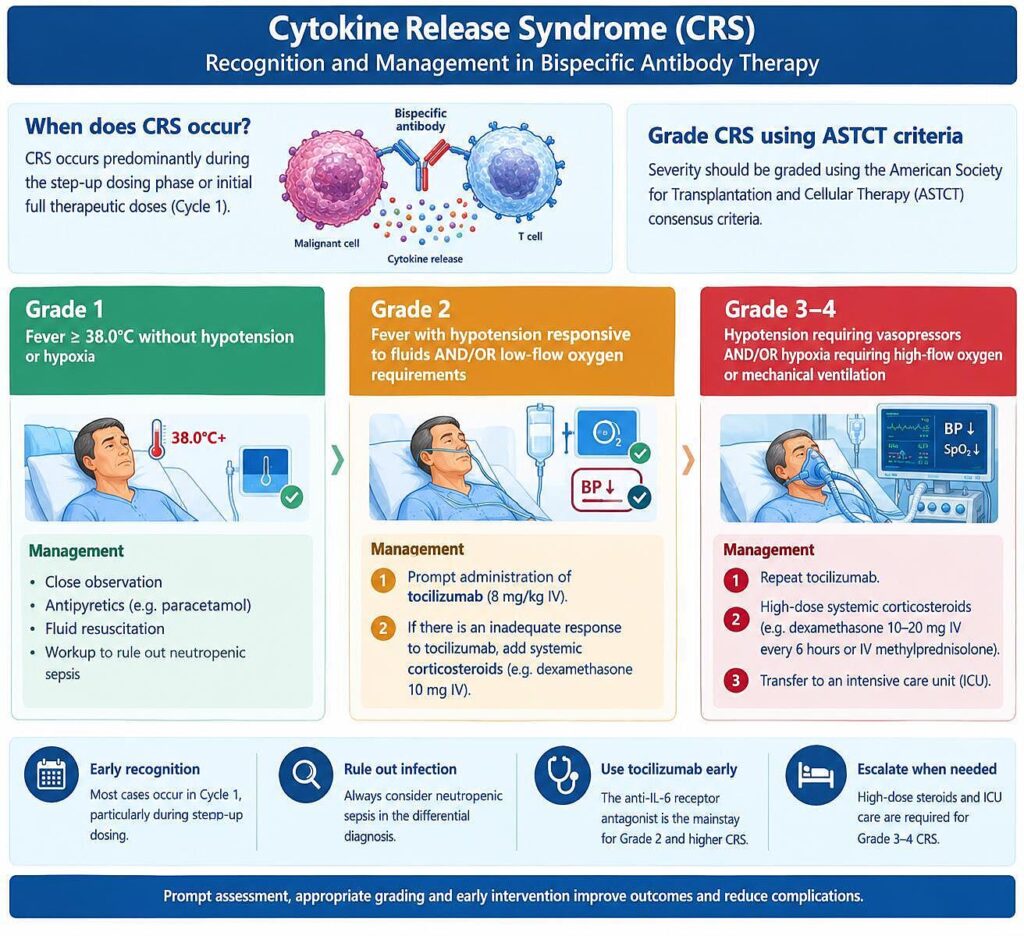
Cytokine Release Syndrome (CRS) recognition, ASTCT grading criteria, and treatment algorithm in bispecific antibody therapy
Immune Effector Cell-Associated Neurotoxicity Syndrome (ICANS)
ICANS represents a spectrum of central nervous system toxicities resulting from endothelial activation and blood-brain barrier disruption. Symptoms often present as expressive aphasia, dysgraphia, word-finding difficulty, fine tremor, lethargy, confusion, or, in severe cases, seizures and cerebral edema.
Although severe (Grade 3 or higher) ICANS occurs less frequently with bispecific T-cell engagers than with autologous CAR T-cell therapies, regular neuro-cognitive monitoring using the Immune Effector Cell Encephalopathy (ICE) assessment scale (including handwriting and orientation tests) is mandatory during early cycles. Because tocilizumab does not effectively cross the blood-brain barrier, systemic corticosteroids (dexamethasone) remain the primary therapeutic intervention for isolated ICANS.
Tumour lysis syndrome
Patients with a high tumour burden may be at risk of tumour lysis syndrome during initial treatment, particularly during step-up dosing. Baseline renal function, electrolytes, uric acid and LDH should be assessed, with appropriate hydration and urate-lowering prophylaxis in patients considered at risk. High-risk patients may require closer biochemical monitoring during the first treatment doses.
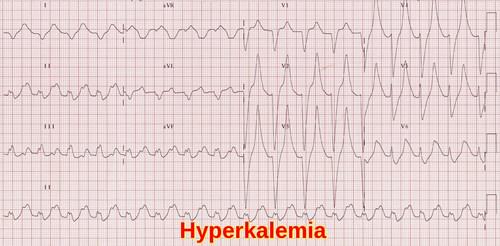
ECG showing tall, peaked T waves, a characteristic early electrocardiographic manifestation of hyperkalaemia, which may occur in tumour lysis syndrome
Infection Risk, Cytopenias, and Hypogammaglobulinemia
Infections and cytopenias represent major causes of treatment discontinuation and late mortality, particularly in heavily pretreated multiple myeloma and lymphoma populations. Target-mediated depletion of healthy B cells (CD19, CD20) or normal plasma cells (BCMA) causes profound, prolonged hypogammaglobulinemia and prolonged cytopenias.
Key infection prevention strategies include:
- Antimicrobial Prophylaxis: Routine administration of trimethoprim-sulfamethoxazole (or atovaquone) for Pneumocystis jirovecii pneumonia (PJP) and acyclovir or valacyclovir for Varicella Zoster Virus (VZV) reactivation.
- Immunoglobulin Replacement Therapy (IVIG / SCIG): Routine monthly replacement with intravenous or subcutaneous immunoglobulins for patients with recurrent sinopulmonary infections or severe hypogammaglobulinemia (serum IgG < 400 mg/dL).
- Cytopenia Management: Use of granulocyte colony-stimulating factor (G-CSF) support for prolonged grade 3/4 neutropenia to lower the risk of opportunistic bacterial and fungal sepsis.
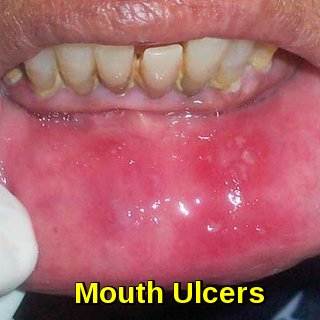
Oral mucosal ulceration commonly seen in neutropenia and chemotherapy-related mucositis

Herpes zoster ophthalmicus affecting the ophthalmic division of the trigeminal nerve with ocular involvement
How Do Bispecific Antibodies Compare with CAR T-Cell Therapy?
Mechanistic and Logistic Differences
While both bispecific antibodies and chimeric antigen receptor (CAR) T-cell therapies exploit cytotoxic T-cell-mediated cell killing, they represent fundamentally distinct therapeutic platforms:
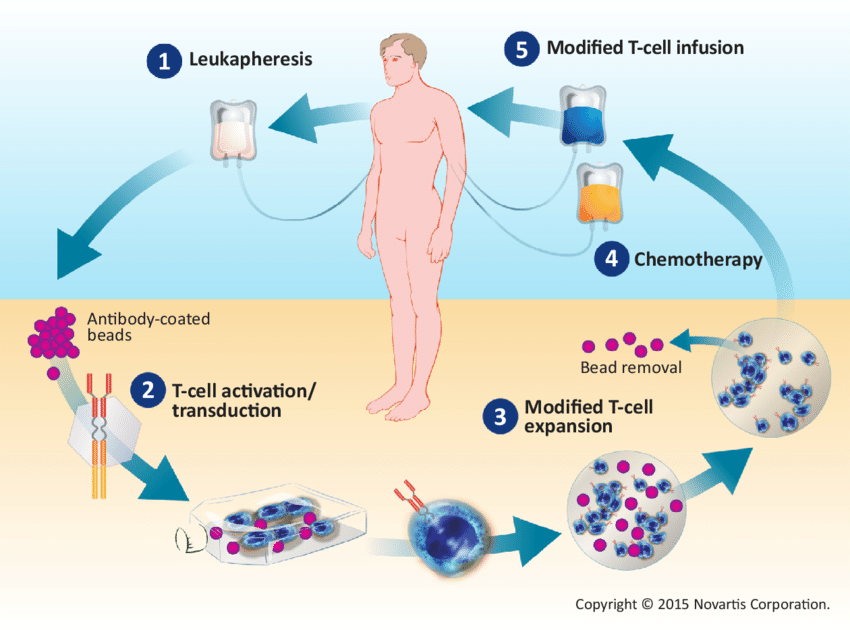
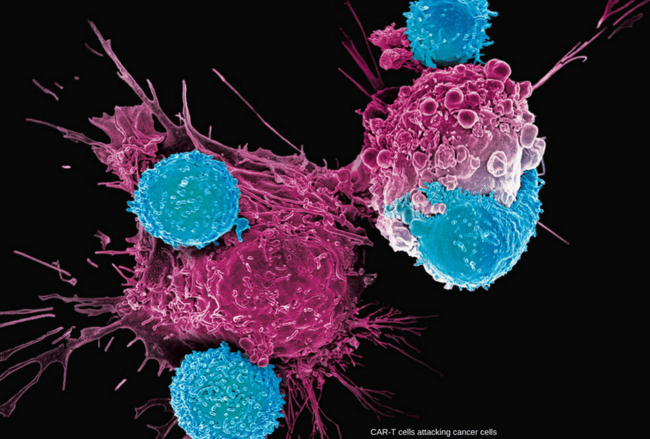
CAR T-cell therapy involves collecting a patient’s T lymphocytes via leukapheresis, genetically modifying them to express chimeric antigen receptors (CARs), expanding them ex vivo, and reinfusing the engineered CAR T cells so they can specifically recognize tumor antigens and destroy malignant cells in hematologic cancers
- Availability and Logistics: CAR T-cell therapy is a highly personalized, autologous process requiring cellular apheresis, central laboratory genetic engineering, and ex vivo expansion, resulting in a crucial manufacturing delay (vein-to-vein time). In contrast, bispecific antibodies are immediately available “off-the-shelf” recombinant proteins that can be initiated promptly in patients with rapidly progressive disease.
- Administration and Dosing: CAR T-cell therapy is administered as a single, one-time cellular infusion following lymphodepleting chemotherapy (typically fludarabine and cyclophosphamide). Conversely, bispecific antibodies are administered repeatedly—either as fixed-duration therapy or as continuous regimens until disease progression—via intravenous or subcutaneous routes without mandatory lymphodepletion.
- Reversibility and Control: Because bispecific antibodies have defined pharmacokinetic half-lives, treatment can be temporarily held, dose-reduced, or permanently discontinued if severe, refractory toxicities occur. CAR T cells, once infused, expand in vivo and persist long-term, making toxicity management largely reliant on post-infusion immunosuppressive interventions.
Clinical Considerations and Trade-offs
The requirement for repeated administration with bispecific antibodies introduces specific clinical and logistical challenges. Prolonged exposure to T-cell-engaging therapies leads to persistent B-cell or plasma cell aplasia, cumulative hypogammaglobulinemia, and prolonged cytopenias, increasing the long-term risk of opportunistic infections. Additionally, frequent administration schedules require ongoing health center visits and sustained clinical monitoring.
The decision between CAR T-cell therapy and bispecific antibody therapy should be personalized based on:
- Disease Kinetics and Tumor Burden: Rapidly progressing disease may necessitate the immediate availability of a bispecific engager rather than waiting for CAR T-cell manufacturing.
- Patient Fitness and Organ Function: Comorbidities and organ reserve influence whether a patient can tolerate conditioning lymphodepletion and higher-grade CAR T-cell toxicities.
- Prior Treatment Lines: Disease relapsing after CAR T-cell therapy often remains sensitive to bispecific antibodies targeting alternative antigens (e.g., GPRC5D after BCMA CAR T in myeloma).
- Logistics and Support Systems: Access to specialized CAR T-cell centers, caregiver support, and patient mobility for repeated outpatient visits play an essential role in treatment selection.
What Mechanisms Drive Resistance to Bispecific Antibodies, and What Is the Next Generation of Therapy?
Mechanisms of Treatment Resistance
Despite high response rates in relapsed/refractory hematologic malignancies, primary resistance and secondary relapse remain major challenges. Resistance typically arises through three primary biological axes:
- Antigen Loss and Immune Evasion: Downregulation or genetic alterations affecting the target antigen, such as CD19, CD20, BCMA, or GPRC5D, can allow malignant cells to evade recognition and killing by bispecific T-cell engagers.
- T-Cell Dysfunction and Exhaustion: Chronic antigenic stimulation leads to progressive T-cell terminal exhaustion, characterized by sustained overexpression of inhibitory immune checkpoints (e.g., PD-1, TIM-3, LAG-3) and diminished cytotoxic cytokine production.
- Immunosuppressive Tumor Microenvironment: Local secretion of immunosuppressive factors (e.g., TGF-beta, IL-10) and infiltration by regulatory T cells (Tregs) or myeloid-derived suppressor cells (MDSCs) impair T-cell trafficking, activation, and persistence.
Next-Generation Bispecific Constructs and Combination Strategies
To overcome resistance mechanisms, clinical development is focused on novel molecular platforms and rational combination strategies:
- Trispecific and Multi-Targeting Constructs: Novel engineered antibodies targeting two distinct tumor antigens simultaneously (e.g., CD19/CD22 or BCMA/GPRC5D) alongside CD3 minimize relapse driven by single-antigen loss.
- Costimulatory Bispecifics: Incorporating secondary costimulatory domains (e.g., CD28 or 4-1BB engagement alongside CD3) enhances T-cell activation, proliferation, and metabolic fitness.
- Altered CD3 Affinity: Engineering constructs with lower CD3 affinity reduces excessive systemic T-cell activation, lowering CRS rates while preserving potent tumor cytolysis and preventing premature T-cell exhaustion.
- Synergistic Combinations: Combining bispecific T-cell engagers with immunomodulatory drugs (IMiDs), immune checkpoint inhibitors (anti-PD-1/PD-L1), or targeted agents enhances T-cell function and reverses microenvironmental immune suppression.
Future Directions
The evolving field of T-cell-engaging bispecific antibodies is rapidly moving into earlier lines of therapy, including frontline induction regimens and consolidation strategies. Ongoing efforts seek to identify predictive biomarkers (e.g., baseline T-cell fitness, soluble antigen levels, and tumor microenvironment profiling) to personalize patient selection, minimize toxicity, and maximize long-term durable remissions.
Conclusion
Bispecific T-cell engagers are an important development in modern hematology and oncology. By bringing a patient’s T cells into direct contact with malignant cells, they provide a powerful immunotherapy approach for selected leukemias, lymphomas, and multiple myeloma.
Their benefits must be balanced against potentially serious complications, including:
- Cytokine-release syndrome.
- ICANS.
- Infection.
- Cytopenias.
- Hypogammaglobulinaemia.
- Tumour lysis syndrome.
Safe use depends on appropriate patient selection, step-up dosing, careful monitoring, early recognition of toxicity, and rapid access to experienced clinical support.
Questions and Answers:
What are bispecific antibodies, and how do they differ from monoclonal antibodies?
Bispecific antibodies (also known as bispecific T-cell engagers or BiTEs) are engineered proteins designed with two distinct antigen-binding sites. While traditional monoclonal antibodies bind to a single target antigen on cancer cells, bispecific antibodies simultaneously bind to a tumor-specific antigen (such as CD20, CD19, BCMA, or GPRC5D) and an activating receptor on immune cells (typically CD3 on T cells). This dual binding bridges cytotoxic T cells directly to malignant blood cells, triggering immune-mediated tumor cell lysis without requiring HLA matching or prior antigen presentation.
How do bispecific antibodies differ from CAR T-cell therapy?
While both bispecific antibodies and CAR T-cell therapies harness the patient’s T cells to kill cancer cells, they differ significantly in manufacturing and administration. CAR T-cell therapy is a custom, patient-specific treatment requiring leukapheresis, genetic modification, ex vivo expansion, and conditioning lymphodepleting chemotherapy. Bispecific antibodies are “off-the-shelf” recombinant proteins that are immediately available, do not require patient cellular modification or mandatory lymphodepletion, and are administered repeatedly (either as fixed-duration therapy or continuous treatment) via intravenous or subcutaneous routes.
Which blood cancers are currently treated with bispecific antibodies?
Bispecific antibodies are approved and widely used across three main categories of hematologic malignancies:
- B-Cell Acute Lymphoblastic Leukemia (B-ALL): Blinatumomab (CD19×CD3) for relapsed/refractory disease and minimal residual disease (MRD)-positive B-ALL.
- B-Cell Non-Hodgkin Lymphomas (FL, DLBCL, LBCL): Mosunetuzumab, Glofitamab, Epcoritamab, and Odronextamab (all CD20×CD3) for relapsed or refractory follicular lymphoma and large B-cell lymphoma.
- Multiple Myeloma: Teclistamab and Elranatamab (BCMA×CD3), Linvoseltamab (BCMA×CD3), and Talquetamab (GPRC5D×CD3) for triple-class exposed relapsed/refractory multiple myeloma.
What is Cytokine Release Syndrome (CRS) in bispecific antibody therapy?
Cytokine Release Syndrome (CRS) is a systemic inflammatory response triggered by rapid T-cell activation and mass release of inflammatory cytokines (such as IL-6, IL-10, and IFN-γ). It presents with fever, rigors, tachycardia, hypotension, and hypoxia. CRS occurs primarily during the step-up dosing phase or initial therapeutic doses (Cycle 1). According to ASTCT consensus criteria, Grade 1 CRS is managed with supportive care and antipyretics, whereas Grade 2 and higher CRS requires early intervention with the anti-IL-6 receptor antibody tocilizumab and systemic corticosteroids (dexamethasone).
What is step-up dosing, and why is it necessary for bispecific antibodies?
Step-up dosing (SUD) is a administration strategy that begins treatment with small, sub-therapeutic priming doses before escalating to the full target therapeutic dose. Step-up dosing causes gradual T-cell expansion and receptor desensitization, significantly reducing the peak systemic release of cytokines. This mitigates the risk and severity of acute toxicities, specifically Cytokine Release Syndrome (CRS) and Immune Effector Cell-Associated Neurotoxicity Syndrome (ICANS).
What is ICANS, and how is it managed during bispecific antibody treatment?
Immune Effector Cell-Associated Neurotoxicity Syndrome (ICANS) is a central nervous system toxicity characterized by expressive aphasia, dysgraphia, confusion, fine tremors, lethargy, or, in severe cases, seizures and cerebral edema. Patients are routinely monitored using the Immune Effector Cell Encephalopathy (ICE) cognitive scoring system. Unlike CRS, tocilizumab does not efficiently cross the blood-brain barrier; therefore, systemic corticosteroids (such as intravenous dexamethasone) serve as the primary first-line therapeutic intervention for isolated ICANS.
Why do patients receiving bispecific antibodies have an increased risk of infection?
Bispecific antibodies target antigens that are expressed on normal immune cells as well as cancer cells (e.g., CD19/CD20 on normal B cells, or BCMA on normal plasma cells). Target-mediated depletion of healthy immune cell compartments leads to prolonged B-cell aplasia and profound hypogammaglobulinemia (low IgG levels). To prevent opportunistic bacterial, viral, and fungal infections, patients routinely receive antimicrobial prophylaxis (such as trimethoprim-sulfamethoxazole for PJP and acyclovir for VZV) and intravenous or subcutaneous immunoglobulin (IVIG/SCIG) replacement therapy when IgG levels drop below 400 mg/dL.
References
Crombie JL, Graff T, Falchi L, Karimi YH, Bannerji R, Nastoupil L, et al. Consensus recommendations on the management of toxicity associated with CD3×CD20 bispecific antibody therapy. Blood. 2024;143(16):1565–1575. doi:10.1182/blood.2023022432. PMID:38252906.
bispecific antibodies, bispecific T-cell engagers, BiTE therapy, cytokine release syndrome, CRS management, ICANS toxicity, step-up dosing, ASTCT consensus criteria, tocilizumab dosing, blinatumomab, mosunetuzumab, glofitamab, epcoritamab, odronextamab, teclistamab, elranatamab, talquetamab, linvoseltamab, CD20 CD3 bispecific antibody, BCMA CD3 bispecific antibody, GPRC5D CD3 bispecific antibody, relapsed refractory multiple myeloma, diffuse large B-cell lymphoma, follicular lymphoma, B-cell acute lymphoblastic leukemia, off-the-shelf immunotherapy, bispecific antibodies vs CAR T-cell therapy, hypogammaglobulinemia management, hematologic malignancies immunotherapy
Related Posts:


Request Online Consultation With Dr M Abdou
Fee: US$100
Secure payment via PayPal (credit and debit cards accepted)
Pay Now