Erythropoiesis Stimulating Medicines

Physiologic erythropoietin production by the kidney and the role of recombinant EPO therapy in stimulating bone marrow erythropoiesis to correct anemia.
Erythropoiesis-stimulating medicines (ESAs) are synthetic forms of erythropoietin, a natural hormone produced primarily by the kidneys and, to a lesser extent, by the liver. The erythropoietin gene, located on chromosome 7 (7q21), regulates the production of red blood cells (RBCs) in the bone marrow. When oxygen levels fall, the kidney’s peritubular interstitial cells release erythropoietin, which stimulates erythroid progenitor cells to generate new RBCs and enhance the oxygen-carrying capacity of the blood. The concentration of this hormone can be measured using the erythropoietin (EPO) blood test, a useful diagnostic tool for evaluating anaemia and guiding ESA therapy.
In healthy individuals, erythropoietin secretion is finely tuned to respond to hypoxia (low blood oxygen levels). Conditions such as chronic lung disease, heart failure, or anaemia—whether from blood loss or decreased haemoglobin synthesis—trigger increased EPO production. Red blood cells contain haemoglobin, a protein that carries oxygen and gives blood its red colour. When haemoglobin or RBC levels drop, tissues receive less oxygen, leading to anaemic symptoms including fatigue, pallor, weakness, shortness of breath, and reduced exercise tolerance.
Erythropoiesis-stimulating agents such as epoetin alfa and darbepoetin alfa are commonly used to treat anaemia associated with chronic kidney disease (CKD), chemotherapy-induced anaemia, and bone marrow suppression. These agents promote erythroid activity, reduce blood transfusion requirements, and improve haemoglobin levels and quality of life. However, inappropriate ESA use or excessive haemoglobin correction can lead to thromboembolic events, hypertension, and cardiovascular complications. To ensure safety and efficacy, clinicians must adhere to current ESA dosing guidelines, perform regular haematologic monitoring, and evaluate each patient’s iron status and comorbidities before and during treatment.
Clinical indications for ESA therapy include anaemia secondary to CKD, myelodysplastic syndromes, chemotherapy, HIV therapy with zidovudine (AZT), anaemia of chronic disease, and cancer-related anaemia. ESA therapy may also be considered in low-birth-weight premature infants with anaemia. In patients with CKD, reduced renal erythropoietin output is the primary cause of anaemia, often necessitating ESA replacement.
According to U.S. FDA guidance, clinicians should consider initiating ESA therapy in patients with CKD when haemoglobin levels fall below 10 g/dL, though the precise threshold should be individualised based on clinical status, risk factors, and response to treatment. Treatment goals should focus on symptom improvement and transfusion avoidance rather than normalising haemoglobin levels.
What is recombinant erythropoietin?
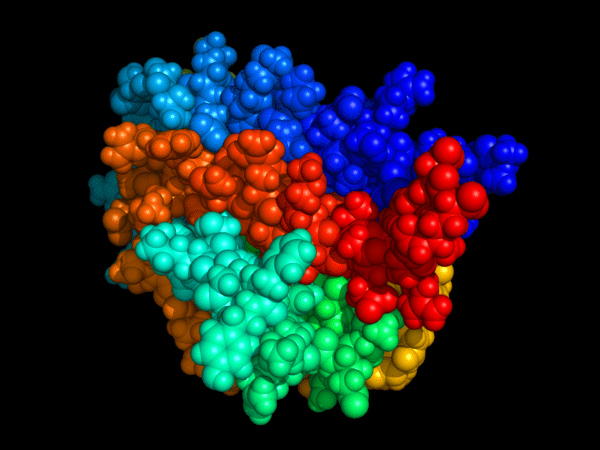
In cases where transfusions are not an option—for example, when the patient cannot have or refuses, a transfusion—it may be necessary to give the patient recombinant erythropoietin. Recombinant erythropoietin is a man-made version of natural erythropoietin. It is produced by cloning the gene for erythropoietin.
Recombinant erythropoietin drugs are known as erythropoietin-stimulating agents (ESAs). These drugs are given by injection and work by stimulating the production of more red blood cells. These cells are then released from the bone marrow into the bloodstream.
There are two ESAs on the U.S. market: epoetin alfa (Procrit®, Epogen®, Eprex®), and darbepoetin alfa (Aranesp®).
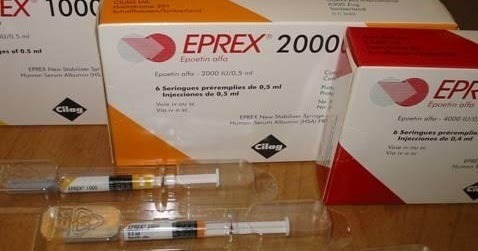
Eprex (epoetin alfa) pre-filled syringes, a recombinant human erythropoietin used to treat anemia in chronic kidney disease and chemotherapy patients.

Aranesp (darbepoetin alfa), a long-acting erythropoiesis-stimulating agent used to manage anemia in chronic kidney disease and chemotherapy-induced anemia.
What are the side effects of ESAs?
The side effects that occur most often with ESA use include:
- High blood pressure
- Fever
- Dizziness
- Nausea
- Pain at the site of the injection.
Blood pressure should always be closely monitored in patients administered with such agents.
ESA resistance:
The working definition of ESA resistance is the requirement for greater than 150 units/kg of ESA at least 3 times per week or the sudden response refractoriness to a previous stable maintenance dose, such that hemoglobin levels fall below target levels.
The most common cause of ESA resistance is iron deficiency. Therefore, it is imperative that iron stores are adequate during ESA treatment. The second most common cause of ESA resistance is a chronic infection/inflammatory state, and such resistance is attributed to inflammatory cytokines (eg, IL-1).
Other less common causes of ESA resistance include hyperparathyroidism (the mechanism appears to be related to bone marrow fibrosis), as well as severe malnutrition.
Safety issues:
There are several safety issues with erythropoiesis-stimulating medicines:
- ESAs increase the risk of venous thromboembolism (blood clots in the veins). A blood clot can break away from one location and travel to the lung (pulmonary embolism), where it can block circulation. Symptoms of blood clots include chest pain, shortness of breath, pain in the legs, and sudden numbness or weakness in the face, arm, or leg.
- ESAs can cause hemoglobin to rise too high, which puts the patient at higher risk for heart attack, stroke, heart failure, and death.
- In patients who have cancer, ESAs may cause the tumor to grow. If ESAs are used for these patients, they are usually stopped after the patient’s chemotherapy is finished.
- The health care provider will keep an eye on the patient’s blood cell counts to make sure they do not put him or her at a higher risk. The dosing may change, depending on the patient’s needs.
Patients who have the following conditions need to consult with their health care provider if erythropoiesis-stimulating medicines are being considered as part of the treatment plan:
- Heart disease
- Uncontrolled high blood pressure
- Porphyria (a group of diseases that are caused by enzyme deficiencies)
- Seizures
- An allergy to epoetin alfa or any other part of this medicine
In addition, women who are pregnant, planning to become pregnant, or breastfeeding should consult with their health care provider before taking an ESA.
Summary:
Erythropoiesis stimulating medicines (ESAs) are recombinant forms of erythropoietin used to treat anemia by stimulating red blood cell production in the bone marrow. Physiologically, erythropoietin (EPO) is produced primarily by the kidneys in response to tissue hypoxia. In conditions such as chronic kidney disease (CKD), chemotherapy-induced anemia, myelodysplastic syndromes (MDS), and selected chronic inflammatory states, endogenous EPO production is inadequate or ineffective, leading to anemia.
Recombinant human erythropoietin agents such as epoetin alfa and darbepoetin alfa mimic natural EPO and bind to erythropoietin receptors on erythroid progenitor cells, promoting proliferation and differentiation into mature red blood cells. Darbepoetin alfa has a longer half-life due to additional glycosylation, allowing less frequent dosing.
ESAs reduce transfusion requirements and improve anemia-related symptoms including fatigue and exercise intolerance. However, treatment requires careful hemoglobin monitoring to avoid excessive correction, which is associated with hypertension, thromboembolic events, stroke, and potential tumor progression in certain oncology settings. Iron status assessment is essential before and during therapy, as functional or absolute iron deficiency is a major cause of ESA hyporesponsiveness.
Optimal use of ESAs involves guideline-directed dosing, individualized risk assessment, and avoidance of targeting supraphysiologic hemoglobin levels.
Questions and Answers:
What are erythropoiesis stimulating medicines?
Erythropoiesis stimulating medicines (ESAs) are synthetic forms of erythropoietin that stimulate bone marrow production of red blood cells to treat anemia.
How do erythropoiesis stimulating agents work?
ESAs bind to erythropoietin receptors on erythroid progenitor cells in the bone marrow, promoting red blood cell proliferation and differentiation, thereby increasing hemoglobin levels.
What conditions are treated with ESAs?
ESAs are commonly used in anemia associated with chronic kidney disease, chemotherapy-induced anemia, myelodysplastic syndromes, zidovudine therapy in HIV, and selected chronic inflammatory states.
What is the difference between epoetin alfa and darbepoetin alfa?
Epoetin alfa is a recombinant human erythropoietin with a shorter half-life, requiring more frequent dosing. Darbepoetin alfa has additional carbohydrate chains that prolong its half-life, allowing less frequent administration.
What are the risks of erythropoiesis stimulating agents?
Potential risks include hypertension, thromboembolic events, stroke, rapid hemoglobin rise, and in oncology patients, possible tumor progression if used outside recommended indications.
Why is iron monitoring important during ESA therapy?
Iron is essential for effective erythropoiesis. Absolute or functional iron deficiency can lead to poor response to ESAs. Ferritin and transferrin saturation should be assessed before and during treatment.
What hemoglobin level should be targeted with ESA therapy?
Current guidelines recommend avoiding normalization of hemoglobin. Target levels are typically modest (often around 10–12 g/dL depending on the clinical context) to minimize cardiovascular and thrombotic risks.
What causes ESA resistance?
Common causes include iron deficiency, chronic inflammation, infection, hyperparathyroidism, inadequate dialysis in CKD, and bone marrow disorders.
References:
Nabili SN. Erythropoietin (EPO, The EPO Test). MedicineNet. Available at: https://www.medicinenet.com/erythropoietin/article.htm#erythropoietin_epo_definition_and_facts
Cleveland Clinic. Erythropoietin-Stimulating Agents. Available at: https://my.clevelandclinic.org/health/drugs/14573-erythropoietin-stimulating-agents
National Kidney Foundation. Anemia and Chronic Kidney Disease. Available at: https://www.kidney.org
Lerma EV. Anemia of Chronic Disease and Renal Failure: Overview, Mechanism, and Prevalence. Medscape. Available at: https://emedicine.medscape.com/article/1389854-overview
U.S. Food and Drug Administration (FDA). Drug Safety Communication: Modified Dosing Recommendations to Improve the Safe Use of Erythropoiesis-Stimulating Agents (ESAs) in Chronic Kidney Disease. 2011. Available at: https://www.fda.gov/Drugs/DrugSafety/ucm259639.htm
National Kidney Foundation (NKF). Clinical Practice Guideline for Anemia in Chronic Kidney Disease: 2025 Update. Available at: https://www.kidney.org/professionals/guidelines
U.S. Food and Drug Administration (FDA). Erythropoiesis-Stimulating Agents (ESAs): Drug Safety Communication—Modified Dosing Recommendations to Improve Safe Use. Updated 2023. Available at: https://www.fda.gov/drugs/drug-safety-and-availability
KDIGO (Kidney Disease: Improving Global Outcomes). Clinical Practice Guideline for Anemia in CKD. Kidney Int Suppl. 2021;11(1):1-74.
Keywords:
erythropoiesis stimulating medicines, erythropoiesis stimulating agents, ESAs, erythropoietin, erythropoietin hormone, EPO blood test, erythropoietin test, epoetin alfa, darbepoetin alfa, recombinant human erythropoietin, ESA therapy, ESA treatment, ESA dosing guidelines, ESA monitoring, ESA safety, ESA risks, ESA side effects, ESA mechanism of action, erythropoietin mechanism, erythroid progenitor cells, bone marrow erythropoiesis, red blood cell production, RBC formation, hemoglobin synthesis, oxygen carrying capacity, anemia treatment, anaemia management, chronic kidney disease anemia, CKD anemia, anemia in renal disease, chemotherapy induced anemia, anemia in oncology, myelodysplastic syndrome anemia, anemia of chronic disease, erythropoietin deficiency, iron deficiency and ESA response, iron status monitoring, ferritin and transferrin saturation, ESA resistance, thromboembolic risk, cardiovascular risk of ESAs, hypertension with ESAs, FDA ESA safety recommendations, KDIGO anemia guidelines, NKF anemia guidelines, ESA use in CKD, ESA use in cancer, erythropoietin gene chromosome 7, hypoxia induced erythropoietin, recombinant EPO therapy, anemia management guidelines, blood disorders, hematology education, AskHematologist.com, Dr Moustafa Abdou

Related Posts:



Request Online Consultation With Dr M Abdou
Fee: US$100
Secure payment via PayPal (credit and debit cards accepted)
Pay Now