Molecular and Cytogenetic Studies in Hematology
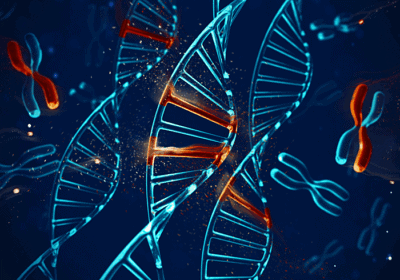
DNA double helix and stylized chromosomes representing molecular and cytogenetic studies in hematology.

Molecular and cytogenetic studies play a central role in modern hematology, providing precise diagnostic, prognostic, and therapeutic insights across a wide spectrum of blood disorders. Advances in next-generation sequencing (NGS), PCR-based assays, fluorescence in situ hybridization (FISH), and karyotyping have transformed the evaluation of leukemias, lymphomas, myeloproliferative neoplasms, and inherited hematologic conditions. These techniques allow clinicians to detect actionable mutations, […]

Read more

Artificial Intelligence in Hematology

AI Featured Image

Artificial Intelligence in Hematology: Transforming Diagnostics and Therapeutics. Introduction: Artificial intelligence (AI) has emerged as a transformative force in medicine, and hematology is no exception. By leveraging AI, clinicians and researchers can enhance diagnostic accuracy, personalize treatment plans, and streamline workflows. This article explores the current applications, benefits, and future potential of AI in hematology. Hematology, the branch of medicine […]

Read more

Prepare for MRCP Examination

MRCP examination hall prepared for written assessment with exam desks arranged in rows

How to prepare for the MRCP Examination? Preparing for MRCP Part 1 requires a strong and systematic understanding of core internal medicine, with particular emphasis on high-yield specialties such as hematology, hemato-oncology, and medical genetics, which are frequently tested in the exam. Success depends not only on factual knowledge but also on applying clinical reasoning to examination-style questions. This article […]

Read more

Hypereosinophilic Syndrome

Hypereosinophilic syndrome skin lesions on the forehead with erythema and papular rash

Hypereosinophilic syndrome (HES) is a rare hematologic disorder characterised by persistent eosinophilia in the peripheral blood, typically with an absolute eosinophil count greater than 1.5 × 10⁹/L, leading to organ damage or dysfunction caused by eosinophil-mediated inflammation and tissue infiltration. Unlike secondary eosinophilia due to parasitic infection, allergy, drug reaction, or autoimmune disease, HES is idiopathic or clonal in nature […]

Read more

Vascular Bleeding Disorders

Hereditary hemorrhagic telangiectasia HHT with mucocutaneous telangiectasia causing recurrent epistaxis and skin bleeding

Vascular bleeding disorders are a group of conditions in which structural abnormalities of the blood vessel wall result in bleeding manifestations such as easy bruising, petechiae, purpura, and mucocutaneous bleeding. In contrast to platelet or coagulation factor disorders, major or life-threatening hemorrhage is uncommon, with the notable exception of hereditary hemorrhagic telangiectasia (HHT). These disorders arise from inherited or acquired […]

Read more

CAR T-Cell Therapy

CAR T-cell therapy image showing engineered T cells attacking cancer cells

The mechanism of action of CAR T-cell therapy: T cells: To understand CAR T-cell therapy, it helps to understand what T cells do. White blood cells called lymphocytes play an important part in fighting infection and diseases, including cancer. There are different types of lymphocytes. T cells are one type. T cells move around the body to find and destroy defective […]

Read more

Coronavirus and Blood

Coronavirus COVID-19 virus structure illustrating spike proteins and its effects on blood and coagulation system

Coronavirus and Blood: Does coronavirus have direct effects on Blood? The COVID-19 pandemic has become one of the most significant global public health crises in a century. Since its emergence in December 2019, the novel coronavirus (SARS-CoV-2) has infected millions worldwide and caused widespread morbidity and mortality. Beyond its respiratory manifestations, COVID-19 also affects the hematologic system, leading to various […]

Read more

Abnormal Hemoglobins

Three dimensional structure of hemoglobin showing alpha and beta globin chains with heme iron groups

Hemoglobin is the essential iron-containing protein in red blood cells responsible for transporting oxygen from the lungs to body tissues and returning carbon dioxide to the lungs for exhalation. Nearly 70% of the body’s total iron is found in hemoglobin within circulating red cells. This iron-protein complex gives blood its red color and consists of a heme group (the iron-bearing […]

Read more

Approach to Lymphocytosis

Peripheral blood film showing Burkitt lymphoma with vacuolated basophilic lymphoid cells

An effective approach to lymphocytosis is essential for accurate diagnosis and timely management in hematology. Lymphocytosis, defined as an increased lymphocyte count in the peripheral blood, can be reactive to infection, inflammatory states, or stress, but it may also signal underlying hematologic malignancies such as chronic lymphocytic leukemia (CLL) or other lymphoproliferative disorders. A structured evaluation helps clinicians differentiate between […]

Read more

Nutrition and Blood

Nutrition and blood health supported by a variety of fruits and vegetables rich in vitamins and minerals

Nutrition and Blood: Nutrition and blood health are closely linked, influencing red blood cell production, immune function, and bleeding risk. Proper nutrition provides essential vitamins and minerals required for hematopoiesis, blood clotting, and overall circulatory health. This article provides a comprehensive review of how nutrition affects blood health, highlighting key nutrients such as iron, vitamin B12, folate, and vitamin K, […]

Read more
1 2 3 10